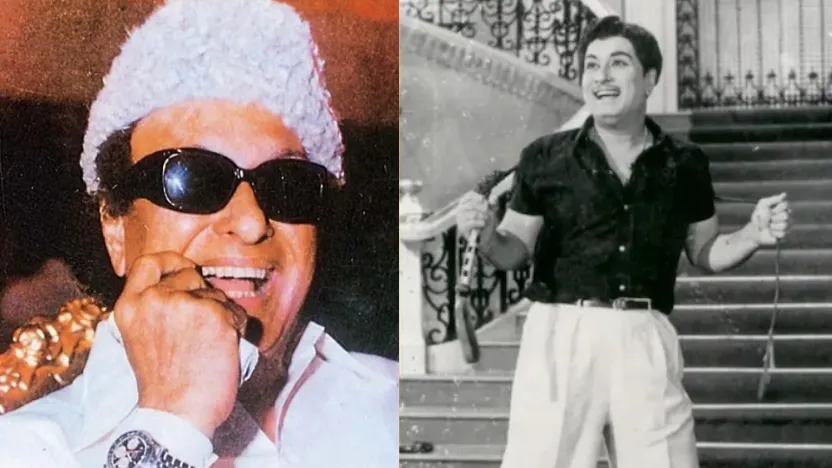
As successful as he was on the big screen, Maruthur Gopala Ramachandran or M.G.R. as he is more popularly known, led a pretty interesting personal life.
From poverty and theatre stages to superstardom and political power, M. G. Ramachandran fondly remembered as MGR built one of the most extraordinary legacies in Indian history.
Born on January 17, 1917, in Kandy, Sri Lanka, MGR’s early life was marked by hardship and struggle. Following the death of his father, his family moved to Tamil Nadu, where severe financial difficulties forced him to leave school after Class III and begin working at a young age to support his mother and siblings.
MGR’s artistic journey began with the Madurai Original Boys Company, a theatre troupe that shaped his acting skills and discipline. Life during those years was filled with uncertainty, humiliation and poverty, but it also built the resilience that would later define him.
His film debut came in 1936 with Sathi Leelavathi. However, it was during the 1950s and 1960s that MGR transformed into Tamil cinema’s biggest matinee idol.
Through films like Nadodi Mannan, Enga Veetu Pillai and Adimai Penn, MGR carefully built an on-screen image of a protector of the poor, a fighter for justice and a man of integrity. Unlike many actors of his time, he avoided negative roles and paid close attention to dialogues and songs that connected deeply with ordinary people.
His popularity among the working class and women audiences soon evolved into an unmatched fan following. Film songs, fan clubs and his carefully maintained public image turned MGR into more than a cinema star, he became a cultural phenomenon.
Beyond the screen, MGR was widely known for his generosity and philanthropy. Despite his own struggles growing up, he constantly helped people in need, often without publicity.
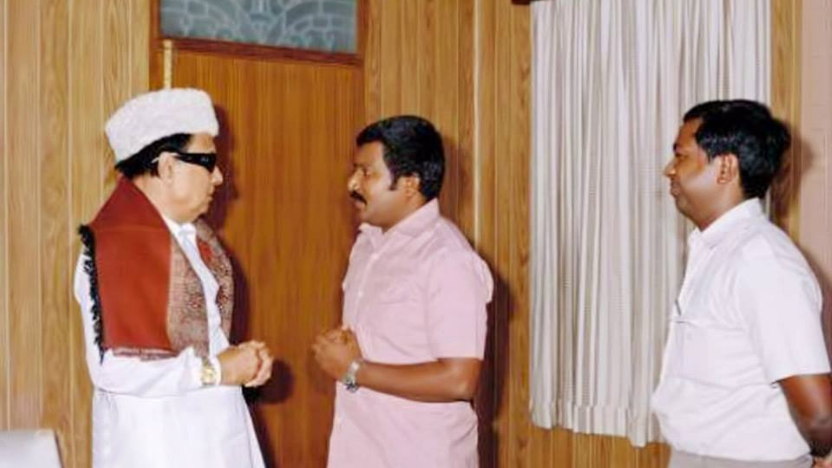
One of the most remembered incidents from the 1950s was when MGR reportedly distributed 6,000 raincoats to rickshaw pullers in Chennai after seeing them drenched in heavy rain. Stories of his kindness further strengthened his image among the masses, many of whom viewed him as a saviour figure.
MGR’s growing popularity also became a major advantage for the Dravidian movement led by C. N. Annadurai and the Dravida Munnetra Kazhagam (DMK).
Inspired by Anna’s ideology, MGR entered politics and became one of the party’s most influential public faces. His films often carried political and social justice themes that aligned with the Dravidian movement.
In 1967, MGR survived a shocking shooting incident involving fellow actor M. R. Radha. The incident created massive public sympathy and became one of the defining political moments in Tamil Nadu history, contributing significantly to the DMK’s historic electoral victory against Congress that year.
Differences with M. Karunanidhi eventually led MGR to split from the DMK and form the AIADMK, later known as the All India Anna Dravida Munnetra Kazhagam.
The decision permanently changed Tamil Nadu politics and established a two-party Dravidian political era that continues even today.
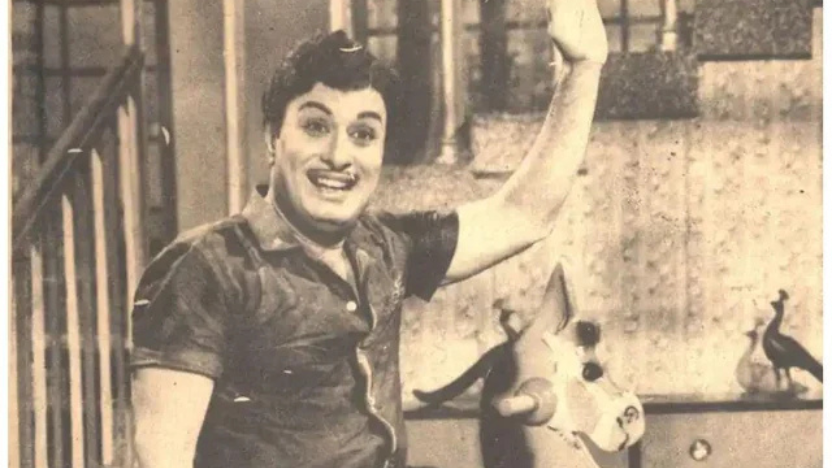
MGR went on to become Chief Minister of Tamil Nadu and remained one of the state’s most influential leaders for a decade.
One of his most revolutionary contributions was the expansion of the Midday Meal Scheme, which improved school attendance among poor children and later inspired welfare programmes across India.
His governance combined welfare politics, mass appeal and populist schemes, creating a deep emotional bond with ordinary people.
During his political journey, MGR also played a key role in introducing and promoting J. Jayalalithaa in politics, shaping the future leadership of the AIADMK after his era.
Though critics often debated his administrative style and later political decisions, MGR’s influence on Tamil Nadu remains unparalleled. He was not merely an actor-turned-politician, but a mass leader who understood cinema, emotion and public connection like few others in Indian history.
Decades after his passing, MGR continues to be remembered as a symbol of compassion, charisma, welfare politics and cinematic greatness, a man who rose from poverty to become one of Tamil Nadu’s most iconic leaders.
Considered a great actor and a leader, it's amazing to note that M.G.R. played a pivotal role in shaping Tamil Nadu through the women he had courted.
Article Source: Times of India, The Hans India
Photo Source: India.com, Quora, News Nation, The Hindu, Outlook India , Reddit